Connecting the dots at the doctor’s office
The route between sending symptoms, getting answers, and seeing a doctor.
Then vs. Now
Back in the day, when you called your doctor, you spoke to an assistant, sometimes even the doctor himself, and often you could have a consultation the same day. Very personal treatment.
Today, you are greeted by an answering machine and options, if they even pick up at all.
You choose option 1 or 2, but eventually you still get called back either way.
When they do call, the assistant screens you completely before deciding if you even need to see the doctor.
Most of the time, the appointment is next week.
Only when you push, an urgent spot may appear.
Digital Triage
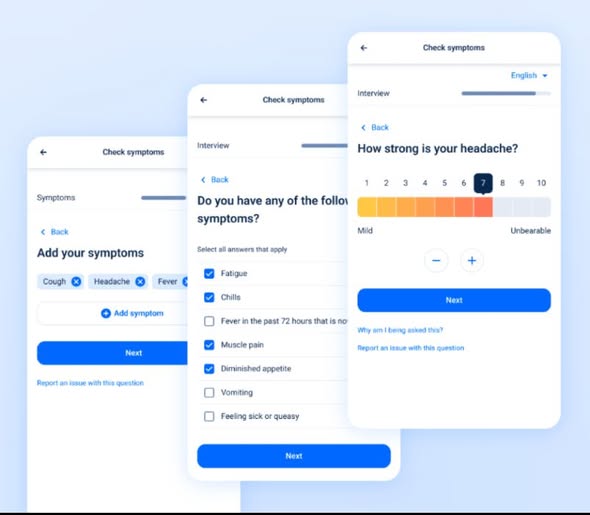
Sometimes you are asked to upload a photo and description of your complaint through a secure link so they can assess it remotely.
The information is entered into systems and databases combined with the doctor’s own knowledge to determine the next step.
Convenient?
Yes.
But at the same time it feels strange how much modern healthcare now leans on digital systems, screenings and algorithms before human contact even begins.
ChatGPT and AI
Before contacting the doctor, we had already entered the symptoms and photos into ChatGPT ourselves to see what outcome it would give.
Interestingly enough, the flow was similar:
screening first, possible causes second, followed by the advice to contact a doctor if uncertainty remained.
In the end, the doctor’s diagnosis matched the outcome.
Still, it raises questions.
Reflection
Technology is slowly integrating into everyday life.
It supports people, guides decisions and sometimes quietly influences them.
Doctors, specialists, lawyers and many other professionals now use AI tools in different ways.
So where exactly does technology stop supporting and start shaping decisions?
Who decides what information enters these systems?
How reliable are they really?
And how do you ask the right questions to receive the most reliable answers?
Maybe that is where the real responsibility now lies:
providing complete context, staying critical and not accepting every outcome automatically.
Between symptoms and screens, human judgment still matters most.
💬
Have you experienced digital triage or AI in healthcare?
And do you prefer convenience or personal contact?
T∞ts ♡
LifeByT∞ts ♡ T∞tsTraveller